Thursday, August 22, 2013

GUNU came out


A Message From the Editor-in-Chief


Welcome to the eighth anniversary edition of GUNU, an international magazine of culture, literature and poetry. Besides introducing Mongolian literature and culture to the world, GUNU is making its own contribution, by bringing world literature and poetry to Mongolian readers.
GUNU has represented Mongolia at the World Congress of Poets on eight occasions. Before GUNU, there had been no magazine for Mongolian literature, and our work has been greeted enthusiastically. In 2007, the World Academy of Arts and Culture announced that GUNU as one of the 10 most influential magazines for world literature. Simon Wickham Smith became an ambassador for, and friend of, Mongolian writers through the two poems of Danzanravjaa, the fifth Noyon Khutagtu, which were published in GUNU, in 2005. Now he has become the first western scholar to write his doctoral dissertation on contemporary Mongolian literature.
We are happy to introduce to you, the 19th issue of GUNU, which contains several unique and interesting pieces for your ready pleasure.
First of all, we are introducing the poetry of Justo Jorge Padrón, one of the most famous poets in the Spanish-speaking world. Our young translators B.Nyamdorj and B.Purevsüren are working hard to render his famous book,  “The Circles of Hell” from into Mongolian, which will reach its Mongolian readership soon.
GUNU is also offering the acceptance lecture of Mo Yan, winner of the Nobel Prize for Literature in 2012, as translated by O.Munkhnaran.
In order to draw attention to new Mongolian poetry, we are publishing the works of poets some poets from Darkhan and a group of young poets who call themselves “Shine Üner” (New Scent).
We are also keen to introduce the treasures of Mongolian classical poetry to the world, thus we present poetry from the 5 accomplished poets from the Vanchinbal family.
GUNU is also promoting aspects of modern Mongolian literary history in its pages. Here we showcase the history and works of the GAL (Fire) group, from the late 1970s.  In addition, we are also publishing here some interesting works of literary criticism by  Ch.Bilegsaihan, B.Purev-Ochir, L.Tserenchimed and B.Magsarjav.
We intend to develop future editions of GUNU in this way, and we will be happy to receive any comments or suggestions from you, our readers and fellow writers.


G.Mend-Ooyo
Founder and editor-in-chief

Saturday, June 1, 2013

Pearl Necklace - 8 (Suvdan Sondor)


Pearl Necklace - 8
(across Dorngovi aimag)


Between May 17 and 28, a "Pearl necklace - 8" (Suvdan Sondor - strung out across Dorngovi aimag, the eighth time this scholarly enterprise has been enacted, designed to foster social engagement in, and to increase the study and research, and the development of ecotourism and cultural tourism, focused on the preservation of the historical cultural heritage which exists in the broad homelands which comprise our Mongolian motherland.

Initiated by a group of researchers imcluding the poet, prof. G.Mend-Ooyo, the writer S.Erdene, the artist N.Tsültem, the academician D.Tserensodnom and the archeologist D.Navaan, this trip, marking the 210th anniversary of the birth of the Fifth Noyon Hutagt Danzanravjaa, in addition to encouraging study and research in ecology, material culture and history across some ten sums of Dorngovi aimag, also had the aim of studying the feasibility of developing tourism in the region. Pearl Necklace 8 was conceived jointly by the Mongolian Academy of Poetry and Culture and the Luvsandanzanravjaa Academy, and worked under the auspices of the Leader of Dorngovi aimag, in collaboration with the Ministry of Culture, Sport and Tourism and New Juulchin Tours.

Pearl Necklace - 8 proceeded in partnership with Mongolian print media and by national television and radio. Besides presenting this information to readers and viewers, there will in September be an exhibition, a conference and the publication of a book dedicated to the project.

in Ih Nart Nature Reserve, Dalanjargalan sum


ruin of Tsuviraa monastery, Khuvsgul sum

Our team of Suvdan Sondor, in Ulgii temple, Mandah sum

Monday, March 25, 2013

“Ертөнцийн цонх”-оос юу тольдов

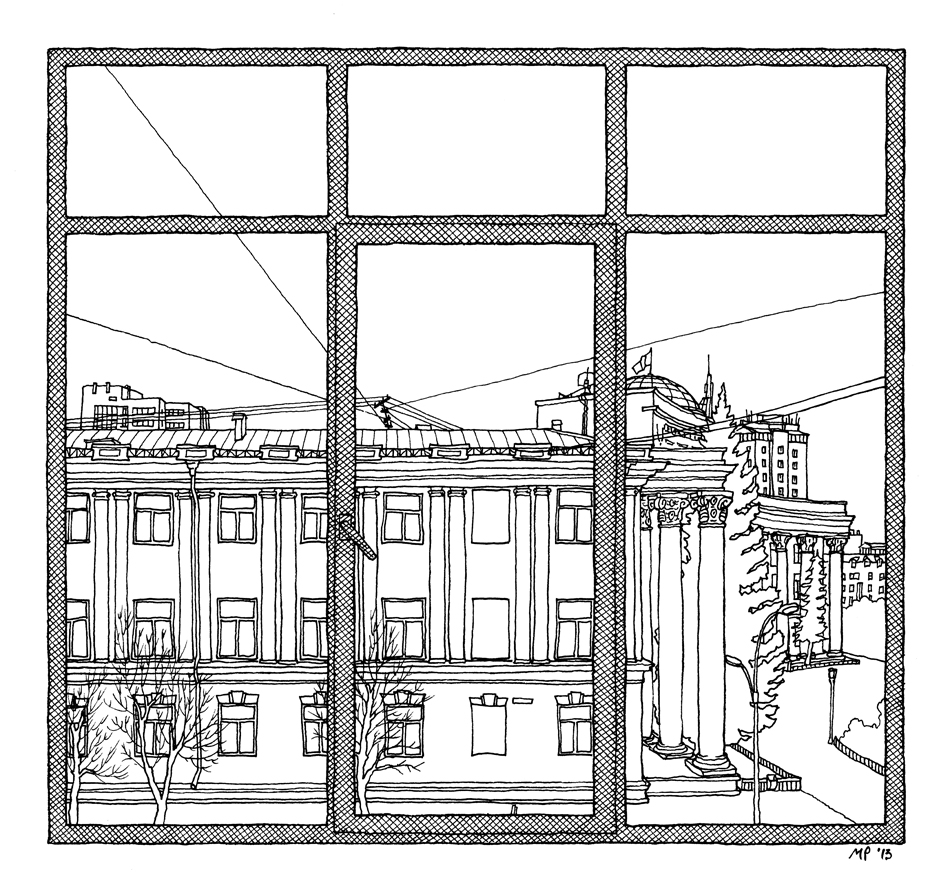
drawing by Matteo Pericoli
Францын утга зохиолын “Paris Review” сэтгүүл орон орны зохиолчдоос оршин амьдардаг өрөөнийх нь цонхоор юу харагддаг тухай асууж, сэтгэлийн ертөнцийг нь нээдэг сонирхолтой булан хөтөлдөг юм байна. “Ертөнцийн цонх” хэмээх энэ буланд Монголоос зохиолч, яруу найрагч Г.МэндОоёо уригджээ.

Италийн зураач, зохиолч, сэтгүүлч Matteo Pericoli-ийн зурсан график зураг болон зохиолчийн бичсэн богино эсээг нийтэлдэг бөгөөд сар болгон нэг зохиолчийн цонхыг дэлхийд дэлгэдэг аж.  Энэхүү “Дэлхийн цонх” төсөл нь 2010 оноос эхэлсэн бөгөөд анх “Нью Йорк Таймс”-д нийтлэгддэг байсан ба 2012 оноос “Paris Review” сэтгүүлд гарах болжээ. Уг цувралаар Нобелийн шагналт Туркийн зохиолч Орхун Памук болон дэлхийн нэр алдартай зохиолчид уригдаж цонхоо дэлхийд танилцуулжээ.

Монгол уншигчиддаа зохиолч Г.Мэнд-Ооёогийн цонхоор юу харагддагийг үзүүлж, түүний цонхоороо хараад юу боддогийг дэлгэж байна.

Тэрээр:


“Үүр тэмдэгрэхийн өмнөхөн түнэр харанхуй. Орчлон нам гүм. Оддын доор хээр талдаа идээшлэн бэлчих адуун сүрэг яг л энэхэн мөчид зогсоогоороо зүүрмэглэнэ. Адуу дугхийгээд сэрэх тэр л хооронд дорно тэнгэрийн хаяа үл мэдэг туяарна. Бага ахуйд өглөө болгон үүрийн гэгээнээр чөдөртэй морио барихаар хазаараа аван алхдаг сан. Морь луугаа алхаж явахад үүрийн туяаны дээхнэтэй дууч бялзуухайнууд шулганан нисэлдэх нь нэн жаргалтай. Нүүдэлчний хүү миний өдгөө амьдралын өглөө бүрийн хэм хэмнэл алдрай багынхаа ая айзмаар тогтжээ. Дорноос цайх үүрийн гэгээг цонхныхоо дэргэдээс угтаж, хээр талд бэлчих адуугаа хураан ирдэг байсан дадлаараа, хульжин одсон үй олон бодол сэтгэгдлүүдээ оюун сэтгэлдээ хураагаад бичгийн ширээндээ тухална. Цонх бол ажин шинжихүйгээ цэгцтэй байлгах аятайхан орон зай юм. Цонхоор таслагдан үзэгдэх амьдралын дүр зураг хэм хэмнэл хийгээд гэрэл сүүдэр, цаг мөч бүхэнд өөр өөрийн утга агуулга буй.

Гийх үүрийн туяа өөд миний сэтгэл хэдийн нисэн одоод нэг л хэсэгтээ өөр орон зайд сэлгэж, өөр цаг хугацааг эзэгнэнэ.

Улаанбаатар хотын төв дунд байх манай гэрийн цонхоор Монголчуудын эрдэм оюуны их өргөө болох Монгол улсын их сургууль тов тод харагдана. Заримдаа хананд өлгөсөн уран зураг мэт санагдах нь бий. Цонхноос хэдхэн алхамд монгол газрын хуш модоор хийсэн миний бичгийн ширээ. Уран бүтээлийн диваажин. Цонхны цаадтайх ахуйг сэлгэж ширээндээ суухад ертөнц огт өөр орон зайд шилжинэ. Хорвоогийн нэгэн өдрийн ажин түжин цонхны цаана үргэлжилж, түүх шастир зузаарсаар. Манай гэрийн цонх мөнөөх л үргэлж харагдах бүхнээ үл уйдан ширтсээр “өчүүхэн ч чөлөө завгүй”.”  хэмээн бичжээ.

Ч.БОЛ

Эх сурвалж: www.theparisreview.org
 

Wednesday, March 20, 2013

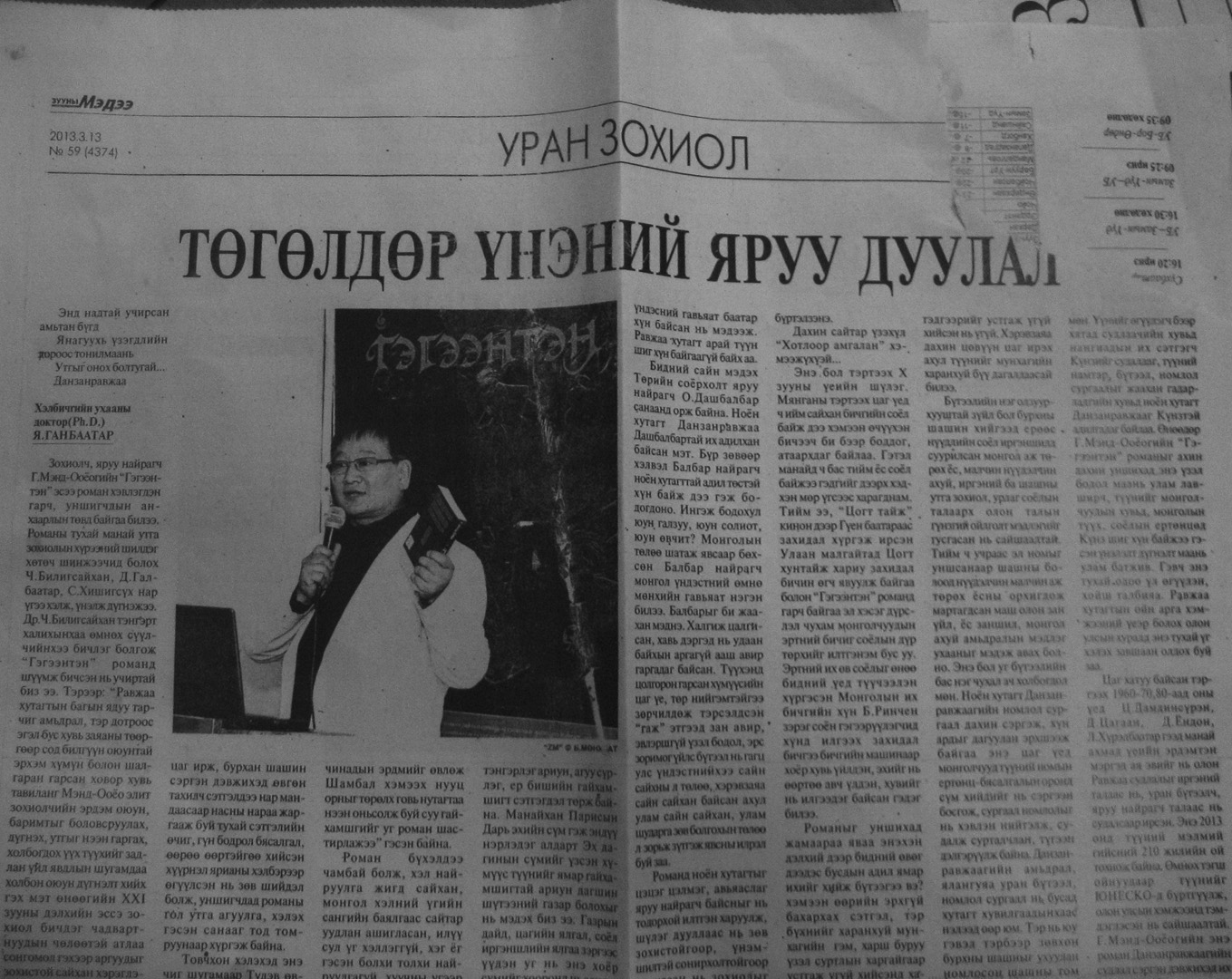
ТӨГӨЛДӨР ҮНЭНИЙ ЯРУУ ДУУЛАЛ


Энд надтай учирсан амьтан бүгд                                                                                                Янагуухь үзэгдлийн дороос тонилмаань                                                                                 
 Утгыг онох болтугай...           
                                          Данзанравжаа
           
     
  Зохиолч, яруу найрагч Г.Мэнд-Ооёогийн “Гэгээнтэн” эсээ роман хэвлэгдэн гарч, уншигчдын анхаарлын төвд байгаа билээ. Романы тухай манай утга зохиолын хүрээний шилдэг хөтөч шинжээчид болох Ч.Билигсайхан, Д.Галбаатар, С.Хишигсүх нар үгээ хэлж, үнэлж дүгнэжээ. Др.Ч.Билигсайхан тэнгэрт халихынхаа өмнөх сүүлчийнхээ бичлэг болгож “Гэгээнтэн” романд шүүмж бичсэн нь учиртай биз ээ. Тэрээр: “Равжаа хутагтын багын ядуу тарчиг амьдрал, тэр дотроос эгэл бус хувь заяаны төөргөөр сод билгүүн оюунтай эрхэм хүмүн болон шалгаран гарсан ховор хувь тавиланг Мэнд-Ооёо элит зохиолчийн эрдэм оюун, баримтыг боловсруулах, дүгнэх, утгыг нээн гаргах, холбогдох үүх түүхийг задлан үйл явдлын шугамдаа холбон оюун дүгнэлт хийх гэх мэт өнөөгийн XXI зууны дэлхийн эссэ зохиол бичдэг чадвартнуудын чөлөөтэй атлаа сонгомол гэхээр аргуудыг зохистой сайхан хэрэглэсэн зэрэг нь эл туурвил содон, өнөөгийн дэлхийн ийм төрлүүдийн зиндаанд хүрсэн бүтээл болсны учир шалтгаан бололтой” гэж уг бүтээлийг жинтэй үнэлжээ. Билигсайхан багштан бурхны оронд залрахдаа хутагтын авшигаар мөрөө гаргуулж, хонх дамрынх нь адбиш гайхамшигт дуунаар ихэд гэгээрч нирваан дүрийг олж одсон гэдэгт итгэнэм.

            “Гэгээнтэн” романы өгүүлэмж цэгцтэй, ойлгомжтой төдийгүй уншигчдад хүртээмжтэй, сонирхолтой болж чаджээ. Романы өгүүлэмж үндсэн хоёр чиг шугамаар өрнөх бөгөөд нэгдүгээр шугам нь ноён хутагт Равжаагийн үе үеийн тахилчдын өнгөн дээр сүүлчийн тахилч Түдэв өвгөний сэтгэлийн өчгөөр дамжуулан XX зуунд болж өнгөрсөн үйл явдлуудыг уншигчдад хүргэж байна. Энэ бол 1937 оны их хэлмэгдүүлэлт хийгээд түүний үр уршиг хамгийн хүндээр туссан Монголын шашны ертөнц, тухайлан монголчуудын оюуны ертөнц болсон бурхан шүтээнийг хэрхэн устгаж үгүй хийсэн тухай, сүм хийд, лам нарыг хэрхэн хэлмэгдүүлсэн тухай хүүрнэл юм. 

Monday, March 11, 2013

on Paris Review by Matteo Pericoli

Windows on the World
www.theparisreview.org/blog/2013/03/01/g-mend-ooyo-ulaanbaatar-mongolia/


Windows on the World
www.theparisreview.org/blog/2013/03/01/g-mend-ooyo-ulaanbaatar-mongolia/

G. Mend-Ooyo, Ulaanbaatar, Mongolia

March 1, 2013 | by
A series on what writers from around the world see from their windows.
G.Mend-Ooyo
When I was young, every morning I would take our hobbled horse and walk it in the dawn light. My father would say, “Sleep late like a horse. Rise early like a bird.” As I walked with the horse, I was very happy to have the little birds fly just above the light of dawn as they sang.
The rhythm of each morning of my life still moves to the beat of my lovely childhood. From the window of my home in the center of Ulaanbaatar, I grasp the pale light in the east. Just as I used to bring in the horses pastured on the wild steppe, I spend time recollecting in my mind many thoughts that have taken flight. The images of life, transected by the window, are a chiaroscuro.
I can clearly see the great seat of learning that is the National University of Mongolia. Sometimes it seems to be an image hanging on walls. A few steps from the window is my writing desk, made from Mongolian pine wood. When I sit at the desk, the world shifts into a different space. The history books grow thicker. There is no time to watch what goes on beyond my window. —G. Mend-Ooyo

Monday, February 25, 2013

"Гэгээнтэн"-ий блог

http://gegeenten-ravjaa.blogspot.com/

Энэхүү блогт "Гэгээнтэн" роман хэвлэгдэн гарснаас хойш сонин хэвлэлд гарсан мэдээ, ярилцага болон утга зохиол судлаачдын бичсэн шүүмж бичлэгүүдийг нэг дор нийтэлсэн.

Sunday, February 24, 2013

ЗУУН ЗУУНЫ ХҮЛЭЭЛТ


А.Очирболдын баримал "Зуун зууны хүлээлт" photo by G.Mend-Ooyo


Юм бүхэн юу нэгнийг хүлээнэ. Мэлмий хурцалж хараагаа сунган хүлээнэ. Чихээ сортойлгож анирлан хүлээнэ. Алсаас юу нэгэн торойх. Үл сонсогдох чимээ. Орчлон бүгд тэнд төвлөрчээ. Анир гүм.
Саяхан нээгдсэн дөрвөн залуугийн уран бүтээлийн үзэсгэлэн дэх “Зуун зууны хүлээлт” хэмээх хүрлээр урласан уран барималын дэргэд би зогсож байна.
photo by G.Mend-Ooyo
Хүлэг морь. Хүлэг гэж ажнай. Хур дэл нь намиран унжиж, газар унхиалах ажнайн чих сортосхийн, ямар нэгэнд төвлөрчээ. Тэгш сайхан ташаан дээр нь байх ирвэс бас л яг тэр чигт бүхий л шөрмөсөө хөвчлөн онилжээ. Эмээлийн бүүрэг тушаа ирвэсийн нэг хөл. Дүүлэн харайхын өмнөхөн биеэ хураах агшин. Энэ бол уран барималч А.Очирболдын бүтээлийн харагдах байдал. Харин үл харагдах орон зайд, үзэгчийн дотоод оршихуйд дүр болоод сэтгэлгээнүүд урган буух аж. Ойролцоо нь баатар эр нумаа эвшээлгэж, сумаа хөвчлөн байгаагаар сэтгэлд дүрслэгдэнэ. Хүлэг морь болоод хүчит ирвэсийн дүүлэн одох гэж төвлөрч буй ан юмуу яг тэр цэг дээр баатар эрийн анхаарал, харц, сонор бүх юм төвлөрч, онилсон нум чивчирэн өдөн гилбэрт сум нь дүүлэн нисэхэд бэлэн байгаа. Сум исгэрэхэд ирвэс дүүлнэ. Ирвэс дүүлэхэд баатар эр хүлэг мориндоо харайн мордоно. Хүлээх агшин тайлагдан, ертөнц өөр хэм хэмнэлд шилжих болно.
Ийм сонор соргог агшин бүрийг зуун зуун жил хүлээх бөгөөд, басхүү агшин бүр оньсоос тайлагдан дараагийн шинэ хэмнэлд шилжих боловч, дахин их хүлээлтийн өмнө тулах нь хорвоогийн жам буюу.
Бидний цөөхөн Монголчуудын билиг оюун сэрж, бийрийн үзүүр чивчирчээ. Туйлын эрхэмсэг, хурууны үзүүр шүргэвэл хиртэм тийм ариухан нандин энэ бүтээлийг би юутай зүйрлэхээ эс мэднэм. Зүйрлэшгүй нэгэн их эрч хүч, гэгээн мэдрэмж судас бүхнээр лугшин байснаа л сананам. Агуу их Микэланжелогийн суут Давидын дэргэд нэг ховсдуулан догдолсноо санаж байна. Суу билигт Занабазарын бүтээлүүдийн дэргэд ер бусын долгис шидэнд ховсдуулан өөр орон зайд шилждэгээ дурснам.
Яг бидний цаг үе бол бүтээх туурвих эрин бололтой. Энэ залуугийн бүтээлийг зуун зуунаар адислагдсан суут туурвилуудын зиндаанд тавих гэсэн санаа бусаа. Яагаад ч юм, тийм суу гайхамшигийг бүтээх билиг авьяас эрч хүч монгол уран бүтээлчдаас мэдрэгдээд байгааг л хэлэх гэсэн совин минь энэ бөлгөө. Монгол төр эдэндээ итгээд томоохон захиалга өгөөсэй. Монголын хөрөнгөтөнүүд ч гэсэн хорь гучин жилийн настай том том байшингийнхаа оронд зуун болоод мянганд хүрч улам үнэд орох томоохон бүтээл туурвилууд буй болгоход хөрөнгөө оруулаасай.
Агуу их хаадын он жилүүд судар шастиртайгаа цуг шарлаж, өвөр зуураа эрх мэдлийн төлөө тэмцэлдэн хүчин чадал сульдаад харь Манжийн эрхшээлд гурван зуун жил бөгтийж, хойд хөршийн хормой доор жижгэрч явсан “зуун зуунд” монголчуудын эрдэм билгүүн, авьяас онгод чухамхүү сэргэн чивчирэх энэ цагийг л хүлээж байсан бус уу.
Авьяаслаг уран барималч Аюурзанын Очирболдын “Зуун зууны хүлээлт” хэмээх бүтээлийн дэргэд хөшсөн бийр минь гэнэт ийн ивэлвэй. Авьяас билгүүн дүү нар минь ар араасаа төрөх суу гайхамшигт бүтээлүүдийг чинь хүлээж байя даа. Билгийн гэрэл цацартугай.
2013.01.13
Г.Мэнд-Ооёо

Friday, February 8, 2013

At Odds With Mongolia’s Modernity, a Poet Seeks Another Way

http://blogs.wsj.com/scene/2013/02/07/at-odds-with-mongolias-modernity-a-poet-seeks-another-way/?mod=WSJBlog&mod=LifeCulture


Jonah M. Kessel for The Wall Street Journal
ULAN BATOR, Mongolia — As a student in the 1980s, Gombojavyn Mend-Ooyo formed a secret literary society and wrote poetry filled with traditional nomadic themes at a time when Mongolia, then a communist state, was trying to suppress those values.
Today he is considered the country’s poet laureate, and an important figure in the fight to retain its traditional culture. As its fast-growing economy puts its modernization into overdrive and draws its population away from its nomadic roots, he has his work cut out for him.
“It is a big shame for us that the country is so focused on mining, at the detriment of herders and the traditional ways of life,” says Mr. Mend-Ooyo, 60 years old, sitting behind his cluttered desk in an old Soviet building in Ulan Bator. “It’s really difficult to bring back lost culture once it’s gone.”
Born into a nomadic family, he spent his early years moving across the steppe, herding goats and sheep throughout the day and listening to his elders play traditional music on horsehead fiddles at night. “We would move 20 times in a year,” he says. “Nomads feel the land has spirits and a soul, so we have songs about each new place we move to.”
Riding horses since the age of 3, Mr. Mend-Ooyo grew up when Mongolia was under Russian control. His father taught him the indigenous Mongolia script by drawing it in the snow that fell outside their circular tent, or ger, during the long winter months — “since classes at school were taught only in the Russian-influenced Cyrillic script,” he says. The family prayed nightly in secret, hiding their Buddhist statues in a box during the day.
As a teenager in the countryside, he got interested in writing, thanks in part to Dorjiin Gombojav, a controversial poet and translator who had alienated officials in Ulan Bator. As punishment, Mr. Gombojav had been sent to teach at the rural school Mr. Mend-Ooyo attended.
Mr. Mend-Ooyo wrote his first lines of poetry under Mr. Gombojav’s guidance. “He taught me the importance of Mongolian language and our traditions,” he says.
In the 1970s, Mr. Mend-Ooyo moved to Ulan Bator, Mongolia’s only major city, to attend university. There he helped form Fire, an underground literary group. At the time, communist censors “wouldn’t let groups meet,” he says. “They were always watching us, so we had to be very careful and meet in people’s homes at night.”
He worked at a state radio station through the ‘80s and was allowed to publish some of his poetry after it was vetted by officials. When single-party communist rule ended in 1990, after almost seven decades, he began publishing more of his work, including the writing that espoused his pastoral roots and eventually became his best-known poems.
In them, he describes homesick horses neighing at dawn, saddle studs “sparkling at night” and how sunshine materializes between the gaps in clouds — the observations of someone used to traveling vast distances on horseback.
“The idea of traditional Mongolian culture is paramount to Mend-Ooyo. He is trying to keep the nomadic spirit alive in spite of modernization,” says Simon Wickham-Smith, a Mongolian-literature scholar who has translated several of Mr. Mend-Ooyo’s books into English. Mr. Mend-Ooyo, he adds, “is arguably the most important poet in Mongolia today, and certainly the one with the most presence, though some of the newer generation might say he is a bit stuck in the past.”
Bavuudorj Tsogdorj, 43, a member of the younger generation of Mongolian poets, believes his increasingly urbanized countrymen will eventually appreciate their nomadic tradition. “Younger poets are now writing with European thoughts and styles, but they will come back to Mongolian poetry and thoughts someday. At that time Mend-Ooyo will be really valuable,” he says.
“Mend-Ooyo is Mongolia’s poetry representative — he is a genuine nomadic poet,” he adds.
Mr. Mend-Ooyo is now channeling his energy into rethinking the modern Mongolian way of life. He envisions a 21st-century nomadic community in which schools, health care and markets move with the people, allowing them to maintain their mobility while providing some of the benefits of contemporary society. “It’s my dream to build it,” he says.
“The reason nomads come to the cities is to get education for their children, hospital access. We want to allow nomads to be more modern, to use cellphones and Internet,” he says. “Keep the old life, just make it better.”
He is starting small, beginning in his home province some 600 kilometers from Ulan Bator where he writes in the summer and where much of his family still lives and herds. There, he is discussing his plans with others in the community, as well as experts who can advise on ways to realize it.
“My life is the mirror of Mongolia,” he says. “I grew up in the classic nomadic way of life, then moved to the city. But even after all these years I am not a city person. All my dreams are about the countryside, and I feel like I am living in a birdcage. Now I am planning to move back to the countryside. I just hope Mongolia will too.”


Tuesday, August 7, 2012

STANDING AMID THE OCEAN MISTS


In the rain and wind, beards turn white,
the brain’s inscriptions grow frayed.  Writing grows unclear
in contemplation.  The mind grows towards the land
through the images which reveal antiquity.

Our own time blazes and blossoms,
summer and  fall.  The flower and the butterfly.
Awareness comes from the far distance,
in explanation.  This is the thought of mountains.

The thought of mountains is like our the thought of our elders.
The land is cleansed by the brightness of wisdom.
Standing amid the ocean mists, my legs
are joined with the clouds floating in the distant blue.

The cloudy mists whisper to the land,
I shall speak to my zither of transcendent wisdom.


10 August 2009